
Contracting businesses operate in diverse environments, serve a wide range of customer needs, and manage projects of varying size and complexity. From residential renovations to large-scale commercial developments, each project presents unique challenges that require careful planning, skilled execution, and strong client communication. Yet, despite these differences, many of the most successful companies share common business principles that consistently guide their growth, resilience, and reputation in the market. By examining insights drawn from multiple contracting industries, business owners and managers can uncover strategies that are effective across trades, from project management techniques to customer relationship practices.
These lessons provide actionable guidance on building trust with clients, streamlining operations for efficiency, improving profitability, and adapting quickly to changing market demands. Whether you manage a small local crew, coordinate multiple subcontractors, or oversee complex, multi-phase developments, understanding how other contractors tackle similar challenges can spark innovation, highlight overlooked opportunities, and help you implement practices that strengthen both short-term results and long-term business sustainability. Applying cross-industry insights encourages a mindset of continuous improvement, positioning your company to navigate industry shifts with confidence and deliver consistent, high-quality outcomes for every client.
1. Build Trust Through Clear Scope Definition and Documentation
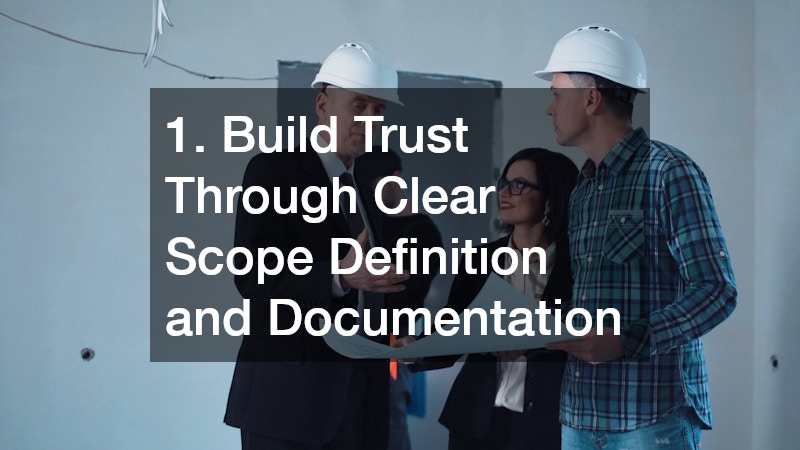
Clear scope definition is one of the most powerful tools a contracting business can use to build trust and avoid conflict. When project details are vague or assumed, misunderstandings become almost inevitable. Successful roofing contractors have long recognized that taking extra time upfront to document materials, labor responsibilities, timelines, and exclusions creates a shared understanding that protects both parties. This clarity not only reduces disputes but also reinforces professionalism in the eyes of the customer.
A well-defined scope acts as a reference point throughout the project lifecycle. If a client requests changes, the original agreement provides a neutral baseline for discussing adjustments to cost or schedule. This approach prevents emotional decision-making and keeps conversations focused on facts. It also empowers project managers and crews, who can execute work confidently without second-guessing expectations.
Documentation should be detailed but accessible. Overly technical language can confuse clients, while oversimplification may leave room for interpretation. The most effective scopes balance precision with readability, often using plain language supported by diagrams or photos. By consistently applying this standard, businesses create predictability in their operations. Over time, this consistency strengthens reputation, reduces legal risk, and fosters long-term customer relationships built on transparency.
2. Differentiate Your Brand With Specialized Expertise
Standing out in a crowded market often requires more than competitive pricing. Many successful tile flooring companies have built strong brands by positioning themselves as specialists rather than generalists. They focus on mastering specific materials, installation techniques, or design styles, which allows them to deliver higher-quality outcomes and command greater trust from discerning clients.
Specialization simplifies marketing and sales conversations. When prospects immediately understand what a business excels at, decision-making becomes easier. It also attracts customers who value expertise over convenience, leading to more satisfying projects and fewer price-driven negotiations. Internally, specialization enables teams to refine processes, reduce errors, and train staff more efficiently.
To effectively differentiate through expertise, businesses should take several deliberate steps:
-
Clearly define the services and project types that represent core strengths.
-
Build a portfolio that showcases depth of experience rather than broad but shallow coverage.
-
Invest in training and certifications that reinforce credibility.
-
Align messaging across websites, proposals, and sales conversations.
By leaning into specialization, contractors create a brand identity that resonates with the right audience. This focus not only improves close rates but also enhances job satisfaction for teams who can take pride in delivering exceptional results within their chosen niche.
3. Systematize Customer Communication at Every Project Stage
Consistent communication is often the difference between a smooth project and a stressful one. A well-run siding company understands that clients rarely become frustrated by delays alone. More often, frustration stems from uncertainty and lack of information. Systematizing communication ensures that clients know what to expect at each phase, even when challenges arise.
Effective communication begins before the contract is signed. Clear explanations of the process, timeline, and potential variables set realistic expectations. Once work begins, scheduled updates provide reassurance and demonstrate accountability. These updates do not need to be lengthy. Brief check-ins that confirm progress and outline next steps are often sufficient.
Internally, communication systems align sales, project management, and field crews. When everyone shares the same information, errors decrease and response times improve. Documented communication protocols also make onboarding new team members easier, as expectations are clearly defined.
Over time, a structured communication approach becomes part of the company culture. Clients come to expect transparency, which builds confidence and encourages referrals. For the business, fewer surprises mean fewer conflicts, smoother workflows, and stronger relationships that extend beyond a single project.
4. Treat Operational Efficiency as a Revenue Driver
Operational efficiency is frequently viewed as a cost-control measure, but in reality, it is also a powerful revenue driver. Experienced fence installers often illustrate this principle by refining how crews are scheduled, how materials are staged, and how projects are sequenced. These improvements allow them to complete more work without increasing overhead.
Efficiency begins with process mapping. By documenting each step from initial inquiry to project completion, businesses can identify bottlenecks and redundancies. Small changes, such as preloading materials or standardizing equipment kits, can yield significant time savings across multiple jobs.
Key areas where efficiency improvements deliver measurable returns include:
-
Crew scheduling that minimizes downtime and travel.
-
Inventory management that reduces delays and waste.
-
Clear handoffs between sales, operations, and field teams.
-
Use of technology for scheduling, tracking, and reporting.
When efficiency improves, capacity expands. Businesses can take on additional projects, respond faster to inquiries, and improve customer satisfaction simultaneously. Rather than pushing teams harder, operational excellence allows companies to grow in a sustainable way that benefits both employees and clients.
5. Price for Long-Term Sustainability, Not Short-Term Wins
Pricing decisions shape the future of a contracting business more than many owners realize. A commercial remodeling company that consistently underprices its work may win bids in the short term, but it often pays the price through strained resources and inconsistent quality. Sustainable pricing reflects true costs, desired margins, and the value delivered to clients.
Accurate pricing starts with understanding all cost components, including labor, materials, overhead, and risk. Many contractors underestimate indirect costs such as project management time or warranty service. Over time, these omissions erode profitability and limit the ability to invest in staff, equipment, or marketing.
Value-based pricing reframes the conversation from cost to outcomes. When clients understand the expertise, planning, and coordination required for complex projects, they are more willing to accept pricing that supports quality execution. Transparent explanations build trust and differentiate professional firms from low-bid competitors.
Ultimately, pricing for sustainability enables consistency. Businesses can deliver on promises, support their teams, and weather market fluctuations. Clients benefit from reliable service, and the company builds a reputation for integrity and excellence that supports long-term growth.
6. Use Maintenance and Service Calls to Build Recurring Revenue
One-time projects can sustain a business, but recurring revenue creates stability. Many companies specializing in HVAC repair have demonstrated how maintenance programs transform sporadic demand into predictable income. By offering service plans, they shift the relationship from reactive to proactive.
Maintenance programs benefit customers by reducing breakdowns and extending equipment life. For the business, they smooth seasonal fluctuations and improve workforce planning. Technicians spend less time responding to emergencies and more time performing scheduled, higher-margin work.
Effective recurring revenue strategies often include:
-
Bundled service plans with clear value propositions.
-
Automated reminders and scheduling to reduce administrative effort.
-
Educational content that explains the benefits of preventive care.
-
Incentives for long-term commitments, such as priority service.
By positioning maintenance as an investment rather than an expense, contractors deepen customer relationships. Over time, these programs increase lifetime value, reduce churn, and provide a reliable foundation for growth.
7. Plan for Compliance and Risk From Day One

Risk management is not optional in contracting. Firms that excel in this area treat compliance as an integral part of project planning rather than an afterthought. Civil contractors, in particular, operate in highly regulated environments where permits, safety standards, and inspections can determine project success.
Proactive compliance begins with education. Teams must understand relevant regulations and how they apply to specific project types. This knowledge informs scheduling, budgeting, and resource allocation. When compliance requirements are built into the plan, delays and penalties are far less likely.
Risk planning also includes clear documentation and communication. Contracts, insurance coverage, and safety protocols should be reviewed regularly and updated as conditions change. By addressing risk early, businesses protect their reputation and maintain trust with clients, partners, and regulators.
A disciplined approach to compliance creates operational confidence. Teams can focus on execution, knowing that foundational requirements are in place. This confidence translates into smoother projects and stronger long-term relationships.
8. Invest in Site Preparation to Avoid Costly Downstream Issues
Many project challenges originate before visible work begins. Local grading contractors demonstrate how thorough site preparation prevents structural problems, drainage issues, and schedule disruptions later in the project. Investing time and resources upfront reduces uncertainty and protects overall project value.
Site assessments identify potential risks that may not be apparent to clients. Addressing these issues early allows for realistic timelines and budgets. It also improves coordination between trades, as everyone works from a shared understanding of site conditions.
Effective site preparation strategies include:
-
Detailed evaluations of soil, drainage, and access.
-
Clear documentation of findings and recommendations.
-
Collaboration with other contractors to align expectations.
-
Contingency planning for known variables.
By prioritizing preparation, businesses reduce rework and enhance predictability. Clients benefit from fewer surprises, and contractors gain greater control over outcomes. This disciplined approach strengthens reputation and supports consistent performance across projects.
9. Leverage Visual Proof to Increase Close Rates
Visual evidence is one of the most persuasive tools in a contractor’s marketing arsenal. Residential pool construction companies often rely on renderings, progress photos, and completed project galleries to help prospects envision the final result. This approach reduces uncertainty and accelerates decision-making.
High-quality visuals communicate competence more effectively than descriptions alone. They showcase craftsmanship, attention to detail, and problem-solving ability. When prospects see similar projects completed successfully, confidence increases and objections decrease.
Visual proof also supports internal alignment. Crews understand quality standards, and sales teams have concrete examples to reference. Over time, a well-organized visual library becomes a strategic asset that improves marketing efficiency and sales effectiveness.
Investing in professional photography and consistent documentation pays dividends. Each completed project becomes a marketing tool that reinforces brand credibility and drives future growth.
10. Adapt Business Models to Local and Regional Needs

Successful contractors recognize that market dynamics vary by location. Unique businesses such as local hog trap installers in Texas and Oklahoma illustrate how tailoring services to regional conditions creates a competitive advantage. Understanding local regulations, environmental factors, and customer priorities informs smarter business decisions.
Adaptation begins with listening. Customer feedback, regional data, and field observations provide insight into unmet needs. Companies that respond quickly can refine offerings, adjust pricing, or introduce new services that resonate with their market.
Strategies for regional adaptation often include:
-
Customizing service packages based on local demand.
-
Staying informed about regional regulations and incentives.
-
Building partnerships with complementary local businesses.
-
Training teams to address location-specific challenges.
By aligning business models with regional realities, contractors remain relevant and resilient. This flexibility supports sustained growth and positions the company as a trusted local expert.
Across a variety of contracting industries, common business insights emerge that transcend individual trades. Clear communication, disciplined planning, operational efficiency, and customer-focused strategies consistently drive success, whether managing small residential projects or large-scale commercial developments.
By learning from diverse sectors and applying these principles thoughtfully, contracting businesses can strengthen their operational foundations, improve team coordination, and create more predictable outcomes for clients. Continuous improvement, grounded in proven practices, allows companies to navigate change, adapt to shifting market demands, foster innovation, and deliver lasting value while building long-term trust and loyalty within the communities they serve. By embracing these insights, businesses position themselves not only for immediate success but for sustainable growth and resilience over time.