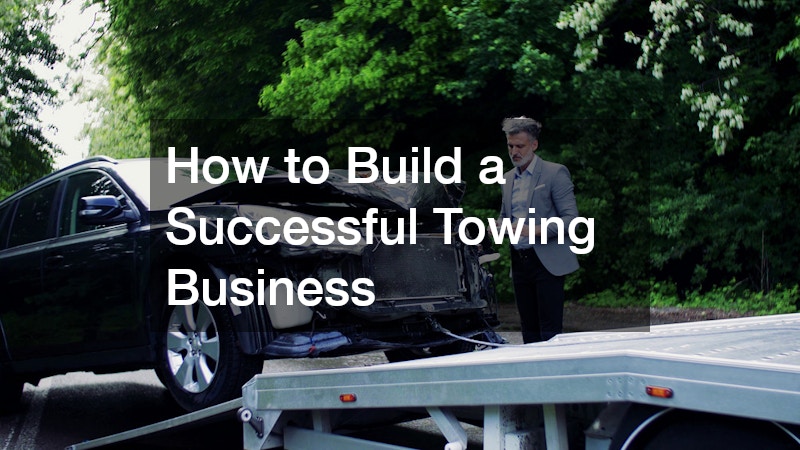
Launching an enterprise in the automotive recovery sector offers a resilient path to profitability. While many consumer-facing industries experience severe fluctuations during market downturns, the necessity for vehicle transport, roadside assistance, and accident management remains constant. People will always drive, vehicles will inevitably break down, and parking regulations will always require enforcement. However, transitioning from a single vehicle operator to a fully realized service enterprise requires more than just mechanical skill and a driving license. It demands a sophisticated understanding of capital allocation, logistical optimization, regulatory compliance, and strategic marketing.
For aspiring entrepreneurs, this sector represents a highly lucrative subset of the broader towing industry. The initial capital requirements can be steep, but the margins on specialized recovery operations often justify the upfront expenditure. Success in this field does not happen by accident; it is the result of meticulous planning, data-driven decision making, and an unyielding commitment to customer service. By analyzing the core pillars of business development, asset acquisition, risk mitigation, and client acquisition, entrepreneurs can construct a durable enterprise that generates consistent cash flow across any economic cycle. Let us break down the exact roadmap required to scale a premier vehicle transport operation from the ground up.
Fleet Acquisition and Capital Management
The single largest barrier to entry for a towing business represents both your primary source of revenue and your greatest liability. For a startup, the temptation to purchase cheaper, heavily used machinery can be strong, but this often leads to exorbitant maintenance fees and devastating operational downtime. Investing in high-quality flatbeds or integrated wheel-lift vehicles ensures that your team can handle a wide variety of passenger cars and light trucks without risk of mechanical failure on the job.
Financing these assets requires a pristine commercial credit profile or a substantial down payment. Savvy entrepreneurs often utilize equipment leasing structures to preserve liquid capital for daily operational expenses like fuel, payroll, and insurance premiums. Speaking of insurance, this is an area where cutting corners is impossible. Your policy must cover comprehensive commercial auto liability, on-hook cargo protection, and garage keepers insurance to shield your firm from catastrophic financial claims in the event of an accident during transport. Balancing asset management with robust risk mitigation is what separates sustainable firms from those that fail within their first year.
Legal Compliance and Regulatory Navigation
Operating a transportation and recovery business involves a complex web of legal requirements at the local, state, and federal levels. You must register your corporate entity, secure a Department of Transportation number, and obtain specific commercial permits for every jurisdiction you cross. Failing to adhere to these frameworks can result in severe fines, vehicle impoundments, or the permanent revocation of your operating authority.
Additionally, background checks, drug screenings, and specialized driver certifications are standard prerequisites for hiring qualified operators. Your personnel are the public face of your brand, often interacting with motorists who are experiencing highly stressful situations. Providing comprehensive training that covers both technical rigging procedures and empathetic customer service creates a distinct competitive advantage. Ensuring your entire team stays compliant with safety mandates keeps your corporate reputation untarnished and reduces the likelihood of costly legal disputes or insurance premium hikes down the line.
Digital Marketing and Contract Acquisition
In the modern digital landscape, traditional word-of-mouth marketing is no longer sufficient to sustain a growing enterprise. When a motorist is stranded on the side of a highway, they immediately use their smartphone to search for the nearest towing provider. Therefore, a highly optimized digital presence is critical. A fast, mobile-friendly website paired with a strong local search engine optimization strategy ensures that your company appears at the top of localized query results during an emergency.
Beyond digital marketing, securing long-term business-to-business contracts provides the steady volume necessary to scale your operations. Developing relationships with local auto repair shops, car dealerships, commercial fleet managers, and residential property management firms can yield a predictable stream of weekly dispatches. These commercial partnerships often provide more reliable profit margins than emergency roadside calls alone, creating a sturdy financial foundation that allows you to reinvest in your infrastructure, hire additional dispatch staff, and expand your geographic reach over time.
Building a thriving venture in the automotive recovery sector requires a rare combination of mechanical grit, operational efficiency, and forward-thinking financial strategy. It is not an industry for those looking for easy, passive returns; rather, it rewards those who are willing to invest the time, capital, and energy required to maintain an exceptional standard of service. By treating your fleet as a critical asset, prioritizing strict regulatory compliance, and executing a robust marketing campaign, you can successfully scale from a modest local service to a prominent regional fleet operator.
The road to profitability in this sector is paved with consistency. While the daily logistics of navigating traffic, handling emergencies, and managing heavy equipment can be grueling, the financial rewards of a well-run operation are undeniable. As urban density increases and consumer dependence on vehicular transportation remains steadfast, the demand for reliable recovery professionals will only continue to rise. With the right foundation and a relentless focus on professionalism, your enterprise can secure a dominant market position, providing an essential public service while building lasting generational wealth.