
Planning a major property project, whether it’s building a new home or renovating a commercial space, can feel like watching your bank account shrink in real time. Costs pile up quickly once you factor in labor, materials, permits, and the inevitable surprises that surface once construction begins. The good news is that with careful planning and a realistic understanding of where your money goes, you can complete an ambitious project without draining your savings or taking on more debt than necessary. This guide breaks down the major cost centers of a big property project so you know what to expect and where you have room to save.
Setting a Realistic Budget Before You Break Ground
Before you sign any contracts or start demolition, it’s worth spending real time mapping out every phase of your project and attaching a dollar figure to each one. Many homeowners underestimate costs because they only budget for the visible work, like framing or finishes, and forget about site prep, utility hookups, or inspection fees. A good rule of thumb is to add a contingency fund of at least 15 to 20 percent on top of your estimated total, since unexpected issues almost always arise once work begins.
Talking to multiple contractors and getting itemized quotes early on will give you a clearer picture of true costs in your area. This is also the stage where you should decide which parts of the project are non-negotiable and which are flexible, so you have a plan if the budget gets tight later.
- Break the project into phases: site prep, structural work, systems, finishes
- Get at least three itemized quotes before committing to a contractor
- Build in a contingency fund of 15 to 20 percent
- Separate must-haves from nice-to-haves early
Choosing the Right Builder for a New Construction Project
If your project involves building from the ground up, the person or company you hire will shape both the quality of the final result and how well you stick to your budget. A custom home builder brings the advantage of tailoring every decision to your specific lot, style preferences, and financial constraints, rather than forcing you into a pre-set floor plan. This flexibility can actually save money in the long run because you avoid paying for structural changes to a standard design that doesn’t fit your needs.
When vetting builders, ask for references from recent clients and visit at least one completed project in person if possible. Pay close attention to how transparent they are about costs upfront, since builders who are vague about pricing often lead to budget surprises later.
- Ask for a detailed, line-item contract rather than a lump-sum estimate
- Confirm how change orders and delays are billed
- Check licensing, insurance, and warranty terms
- Visit past projects to assess quality firsthand
Renting Heavy Equipment Instead of Buying
Large property projects often require machinery that most people will never need again once construction wraps up, which makes purchasing equipment a poor financial decision for most homeowners. Excavator rental is one of the most common ways to save money during site preparation, grading, or foundation digging, since you only pay for the days you actually need the machine. Rental companies typically include maintenance and support as part of the deal, which removes the burden of repairs falling on you.
Before renting, get a clear sense of how long each phase of earthwork will take so you’re not paying for idle equipment sitting on your lot. It also helps to ask whether an operator is included in the rental price or if you’ll need to hire one separately, since operating heavy machinery without experience can lead to costly mistakes or safety issues.
Managing Job Site Waste and Debris Removal
Construction and renovation projects generate a surprising amount of debris, from old drywall and lumber to packaging from new materials. Renting a dumpster rental unit sized appropriately for your project keeps your site organized and prevents the kind of clutter that slows down work crews and creates safety hazards. Most rental companies offer different container sizes based on project scope, so it pays to ask questions rather than guessing.
Planning your waste removal schedule in advance also helps you avoid rush fees or having a bin sit full for days waiting on pickup. Some municipalities have specific rules about what can go into a general debris container versus what needs separate disposal, so it’s worth checking local regulations before your project starts.
- Choose a container size based on total project square footage
- Ask about weight limits to avoid overage charges
- Confirm pickup and swap schedules in advance
- Separate recyclable materials where local rules require it
Upgrading Aging Sewer and Plumbing Infrastructure
If your property project involves an older home or building, there’s a good chance the underground plumbing needs attention before you move forward with visible renovations. Sewer lining has become a popular alternative to full pipe replacement because it repairs damaged pipes from the inside without the need to dig up your entire yard or foundation. This method is often significantly cheaper and faster than traditional excavation-based repairs, making it a smart choice for budget-conscious homeowners.
It’s worth having a camera inspection done early in the planning process so you know the condition of your pipes before finalizing your overall budget. Discovering a sewer issue mid-project can throw off your entire timeline and force you to reallocate funds meant for other priorities.
Comfort Solutions for Workers and Site Visitors

When a project stretches on for weeks or months, especially at a site without existing facilities, providing adequate restroom access becomes a practical necessity rather than a luxury. A luxury restroom trailer rental is a smart option for larger residential or commercial projects, particularly when clients, inspectors, or a large crew will be on-site regularly. These units are far more comfortable than standard portable toilets and can actually improve morale and productivity among workers.
Cost varies based on how many units you need and how long the rental period lasts, so it helps to plan this expense alongside your other site logistics rather than as an afterthought. Many property owners find that the modest added cost pays for itself in worker satisfaction and a more professional impression for anyone visiting the site.
Installing or Replacing Climate Control Systems
Heating and cooling systems represent one of the biggest ongoing expenses tied to any property project, and getting this right the first time saves money for years afterward. Professional AC installation should be scheduled early enough in the construction timeline that ductwork and electrical needs can be planned around the unit’s specifications rather than retrofitted later. Trying to save money by choosing an undersized or lower-quality system often backfires, leading to higher energy bills and premature equipment failure.
Getting quotes from multiple licensed technicians and asking about energy efficiency ratings can help you find a system that balances upfront cost with long-term savings. It’s also worth asking whether your project qualifies for any local rebates or incentives tied to energy-efficient equipment, since these programs can meaningfully offset installation costs.
Structural Materials That Affect Long-Term Costs
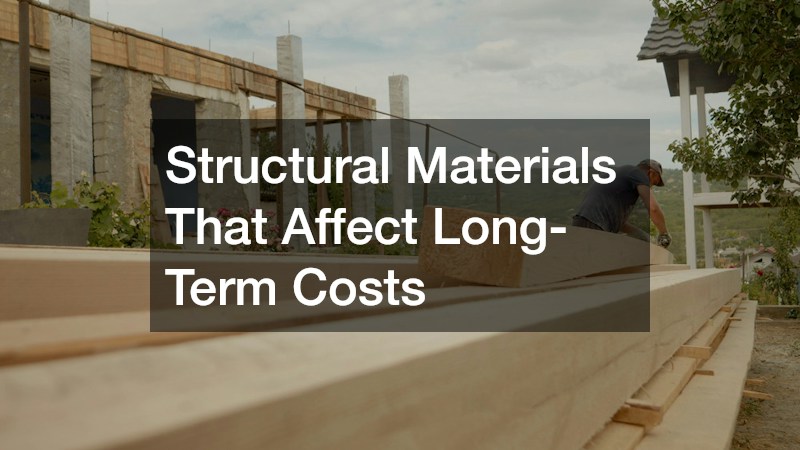
The materials you choose for the structural bones of your project have a direct impact on both your upfront budget and future maintenance costs. It’s tempting to chase the lowest bid on materials, but structural components are one area where cutting corners tends to backfire, showing up later as costly repairs, premature replacements, or insurance headaches. Roof metal decking has grown in popularity for both residential and commercial projects because of its durability and resistance to weather damage compared to some traditional roofing substrates. Unlike asphalt shingles or wood-based decking, metal options hold up better against high winds, hail, and moisture infiltration, which means fewer emergency repairs down the road. Many manufacturers offer warranties spanning 30 to 50 years, far outlasting the 15-to-20-year lifespan typical of conventional materials. While the initial material cost can be slightly higher than alternatives, the reduced need for repairs and replacements over time often makes it the more economical choice. Factor in secondary savings too: metal decking is lighter, which can reduce structural support requirements, and its reflective properties can lower cooling costs in warmer climates. When budgeting, weigh these lifecycle savings against the upfront premium rather than judging materials on purchase price alone.
For projects involving structural steel components, such as custom brackets, supports, or connectors, precision matters just as much as material choice. A weak weld might not fail immediately, but repeated stress, temperature swings, or heavy loads can turn a minor flaw into a costly repair or even a safety hazard years down the line. Robotic welding has become increasingly common in fabrication shops because it produces highly consistent, strong welds that reduce the risk of structural issues down the line. Unlike manual welding, which can vary depending on the technician’s skill and fatigue level, automated systems follow programmed parameters for heat, speed, and angle on every single pass. That consistency translates into fewer weak points, less material waste, and welds that hold up better under inspection. Choosing suppliers who use this kind of precision manufacturing can actually reduce long-term liability and repair costs, even if it adds a small premium to your initial materials budget. When comparing quotes, ask fabricators whether they use robotic welding for critical load-bearing joints, and request documentation on weld testing or quality certifications. A supplier who can show consistent quality control data is often a better long-term investment than one offering a slightly lower price with no verification process.
Lifting and Moving Heavy Materials Safely
Many large property projects, particularly multi-story builds or commercial jobs, require moving materials to heights or positions that simply aren’t possible by hand or with standard equipment. Crane services become essential in these situations, whether you’re placing roof trusses, setting HVAC units on a rooftop, or moving steel beams into position. Renting a crane and operator for the specific days you need lifting work done is almost always more cost-effective than trying to find workarounds that risk worker safety or damage to materials.
Scheduling crane work requires coordination with other trades on site, since the crane typically needs a clear window to operate safely and efficiently. Booking this service well in advance and confirming site access requirements, like overhead power lines or narrow driveways, helps prevent costly delays on the day of the lift.
Weighing Renovation Costs Against Leasing Alternatives
Before committing significant savings to a major renovation or expansion, it’s worth stepping back and asking whether the investment truly makes financial sense for your situation. Run the numbers on both paths: get a contractor’s estimate for the renovation, then compare it against the total cost of relocating, including rent, moving expenses, and any build-out fees for a new space. Sometimes the sticker price of renovation looks manageable until you factor in permits, inspection delays, and the temporary loss of productivity while work is underway. For business owners in particular, comparing the cost of a full property overhaul against available commercial property for lease options in your area can reveal that relocating is sometimes more affordable than renovating an aging space. A newer leased space may already meet current building codes, come with updated HVAC and electrical systems, and require little more than cosmetic changes to suit your brand. Leasing also frees up capital that would otherwise be tied up in a property you own, giving you more flexibility to invest in equipment, staffing, or marketing instead. This is especially true if the existing building has significant structural, electrical, or plumbing issues that would need to be addressed regardless of how the space is used. A cracked foundation, outdated wiring, or failing plumbing can quietly add tens of thousands of dollars to a renovation budget once contractors open up the walls and find the real scope of the problem. Weigh those hidden risks against the relative predictability of a lease agreement, where costs are spelled out up front and major repairs typically fall on the landlord rather than your business.
Running the numbers on both paths gives you a clearer sense of which option protects your savings better over the next five to ten years. Start with a side-by-side comparison: total renovation cost versus total leasing cost over the same period, factoring in moving expenses, lease terms and escalation clauses, temporary storage, and any lost productivity during a transition. Renovation estimates should include a contingency buffer of at least 10-15%, since older properties often reveal hidden issues like outdated wiring or structural repairs once work begins. Leasing costs, meanwhile, can creep upward through annual rent increases, common area maintenance fees, and the possibility of relocating again if your business outgrows the new space sooner than expected. It also helps to model a few scenarios rather than a single projection — best case, worst case, and most likely — so you can see how sensitive each option is to cost overruns or market shifts. A renovation that pencils out fine at your estimated budget might look far less appealing if costs run 20% over, while a lease that seems cheap upfront could lose its edge once a rent hike kicks in during year three. Sometimes the emotional attachment to a current property clouds a decision that would otherwise be straightforward from a purely financial standpoint. Putting real numbers on paper, and stress-testing them against a few “what if” situations, makes it much easier to separate sentiment from sound financial planning.
Big property projects will always come with financial pressure, but they don’t have to leave your savings account empty or your stress levels maxed out. The key is breaking the project into manageable pieces, getting real quotes for each phase, and building in enough cushion to handle the surprises that inevitably come up. Start by mapping out your full scope of work and identifying which decisions will have the biggest impact on your budget, then move forward one informed choice at a time.