Introduction
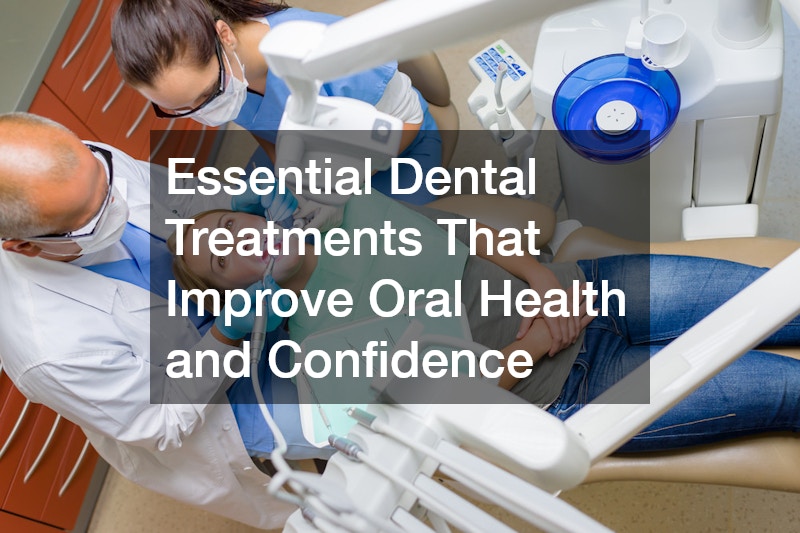
A healthy smile plays a vital role in overall well-being, self-confidence, and daily comfort. Oral health affects far more than just the appearance of teeth. It influences speech, digestion, facial structure, and even systemic health. When dental problems arise, they can lead to pain, difficulty eating, and reduced confidence in social or professional situations.
Fortunately, modern dentistry offers a wide range of treatments designed to prevent problems, restore damaged teeth, and enhance the appearance of a smile. Advances in dental technology and patient-focused care have made treatments more efficient, comfortable, and accessible than ever before. Individuals now have access to solutions that address everything from childhood dental care to advanced restorative procedures.
Understanding the available dental services helps patients make informed decisions about their care. Whether someone is seeking preventive care, cosmetic improvements, or restorative treatment, working with skilled dental professionals can make a significant difference in both short-term comfort and long-term oral health.
This guide explores essential dental treatments and services that help people maintain healthy teeth and gums while improving confidence in their smiles.
Helping Children Build Healthy Dental Habits Early
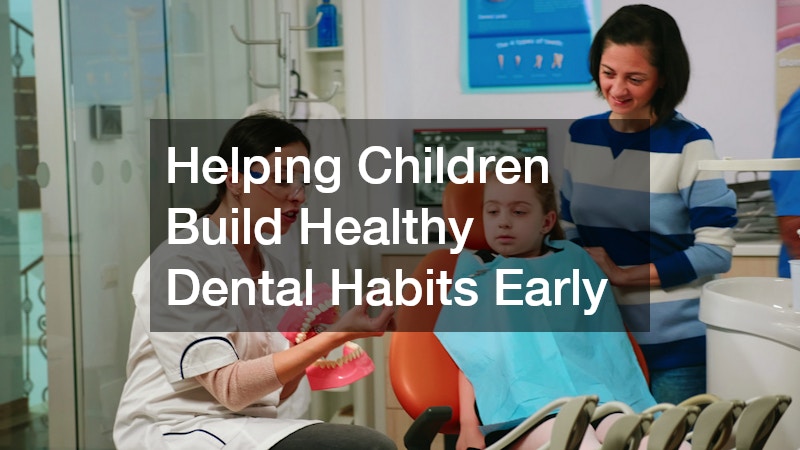
Healthy oral habits begin in childhood. Establishing good routines at an early age helps prevent cavities, gum disease, and long-term dental complications. Early dental visits allow childrens dentists to monitor tooth development, educate families about proper care, and detect potential issues before they become serious.
Professionals such as pediatric dentists and childrens dentists specialize in providing dental care tailored to the unique needs of young patients. These professionals are trained to create a comfortable, friendly environment that helps children feel safe and relaxed during appointments.
Early dental care focuses heavily on prevention and education. When children learn positive habits early, they are more likely to maintain good oral health as adults.
Why Early Dental Visits Are Important
Children should typically visit a dental professional within six months after their first tooth appears or by their first birthday. These early visits allow pediatric dentists to:
-
Evaluate tooth development and jaw growth
-
Identify early signs of cavities or enamel weakness
-
Monitor spacing and alignment of emerging teeth
-
Provide parents with guidance on proper brushing and nutrition
Routine checkups also help children become familiar with dental visits, reducing anxiety and making future appointments easier.
Encouraging Healthy Habits at Home
Parents play an essential role in supporting oral health between dental visits. Simple daily habits can greatly reduce the risk of dental problems.
Helpful strategies include:
-
Brushing children’s teeth twice daily with fluoride toothpaste
-
Supervising brushing until children develop proper technique
-
Encouraging flossing once teeth begin touching
-
Limiting sugary snacks and drinks
-
Providing balanced meals that support tooth strength
Consistent routines help children understand that oral hygiene is an important part of everyday health.
Preventive Treatments That Protect Young Smiles
Dental professionals may recommend several preventive treatments designed specifically for children.
Common services include:
-
Professional cleanings to remove plaque and tartar buildup
-
Fluoride treatments that strengthen tooth enamel
-
Dental sealants that protect molars from decay
-
Monitoring of bite development and jaw growth
By combining preventive care with healthy habits, families can significantly reduce the likelihood of future dental complications.
What to Do When Your Child Experiences Sudden Dental Pain
Dental emergencies can happen at any time, especially with active children who may experience falls or sports injuries. Knowing how to respond quickly can help protect a child’s oral health and reduce pain.
In urgent situations, seeking help from an emergency pediatric dentist ensures that children receive prompt treatment and appropriate care.
Recognizing Signs of a Dental Emergency
Parents should watch for symptoms that may indicate an urgent dental problem. These may include:
-
Severe tooth pain or sensitivity
-
Swelling in the gums, face, or jaw
-
Broken, cracked, or chipped teeth
-
Bleeding from the mouth after trauma
-
A tooth that has been knocked out or loosened
Even minor injuries can lead to complications if left untreated, so professional evaluation is important.
Immediate Steps Parents Can Take
If a dental emergency occurs, taking quick action can improve the chances of successful treatment.
Parents can help by:
-
Remaining calm and reassuring the child
-
Gently rinsing the mouth with warm water
-
Applying a cold compress to reduce swelling
-
Preserving any broken tooth fragments in milk or saline
-
Contacting a dental professional as soon as possible
Prompt attention helps minimize discomfort and prevent further damage.
Preventing Future Dental Injuries
Although accidents cannot always be avoided, several preventive measures can reduce risk.
Parents should consider:
-
Encouraging children to wear mouthguards during sports
-
Supervising play activities involving hard surfaces
-
Teaching safe habits when eating hard foods
-
Scheduling routine dental visits to monitor tooth strength
Preventive care and awareness can help protect children’s smiles from unexpected injuries.
Enhancing the Appearance of Your Smile with Professional Treatments

A confident smile can have a powerful impact on personal and professional interactions. Many individuals choose to improve the appearance of their teeth through specialized treatments that enhance both aesthetics and function.
A cosmetic dentist focuses on procedures designed to improve the color, shape, alignment, and overall appearance of teeth.
Common Reasons People Seek Smile Improvements
Patients often pursue aesthetic dental treatments for a variety of reasons, including:
-
Discolored or stained teeth
-
Chipped or cracked enamel
-
Uneven tooth shape or size
-
Minor alignment issues
-
Gaps between teeth
Addressing these concerns can significantly improve self-confidence and overall satisfaction with one’s appearance.
Popular Cosmetic Treatment Options
Modern dental techniques offer several effective solutions for improving smiles.
Common procedures include:
-
Professional whitening treatments that brighten tooth color
-
Dental bonding to repair chips and cracks
-
Veneers that reshape and cover imperfect teeth
-
Gum contouring to improve smile symmetry
-
Enamel reshaping for subtle cosmetic adjustments
Each treatment is customized based on the patient’s dental condition and personal goals.
Maintaining a Beautiful Smile
After improving the appearance of teeth, maintaining results requires consistent care.
Patients should:
-
Brush and floss daily to prevent staining and decay
-
Limit consumption of stain-causing beverages such as coffee and wine
-
Schedule routine cleanings and examinations
-
Use protective mouthguards during sports or nighttime grinding
Long-term maintenance ensures that cosmetic improvements remain attractive and healthy.
Straightening Teeth with Modern Alignment Solutions
Properly aligned teeth contribute to both oral health and aesthetics. When teeth are crowded or misaligned, they can create areas where plaque accumulates, increasing the risk of cavities and gum disease.
Professional orthodontic services address these issues while improving the appearance and function of a smile.
Why Alignment Matters for Oral Health
Misaligned teeth can cause several problems beyond cosmetic concerns. Issues that may arise include:
-
Difficulty cleaning between teeth
-
Increased risk of tooth decay
-
Jaw discomfort or uneven bite pressure
-
Speech challenges in some cases
-
Premature wear on tooth surfaces
Correcting alignment helps create a balanced bite and promotes better long-term dental health.
Modern Alternatives to Traditional Braces
One popular solution for mild to moderate alignment issues is a clear aligner system. These removable trays gradually shift teeth into their proper positions over time.
Benefits of clear aligner treatment include:
-
Nearly invisible appearance
-
Removable trays for eating and cleaning
-
Improved comfort compared to metal braces
-
Fewer in-office adjustments
Because of these advantages, many adults and teenagers prefer this discreet orthodontic option.
Supporting Successful Treatment
Achieving the best results requires consistent cooperation from patients. Helpful habits include:
-
Wearing aligners for the recommended number of hours each day
-
Maintaining excellent oral hygiene throughout treatment
-
Attending scheduled follow-up appointments
-
Avoiding foods that may damage dental appliances
Commitment to the treatment plan ensures effective and predictable outcomes.
Restoring Missing Teeth with Long-Term Solutions
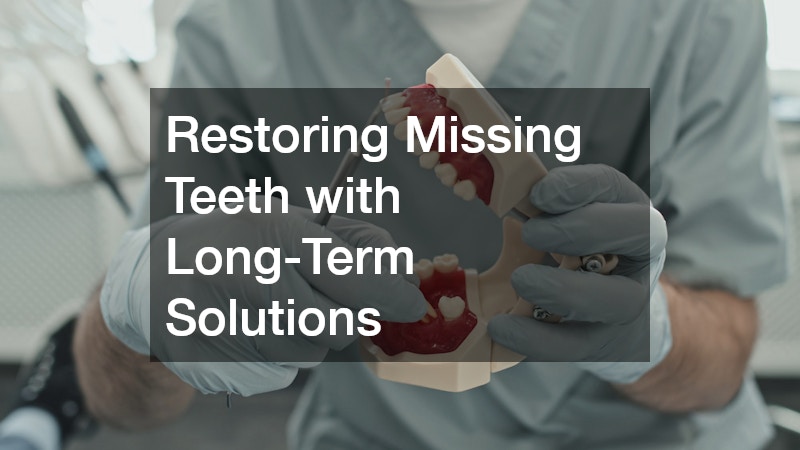
Losing a tooth can significantly affect both oral health and self-confidence. Missing teeth may cause difficulties with chewing, changes in speech, and shifting of surrounding teeth.
Modern restorative treatments provide reliable solutions that restore both appearance and functionality. Dental implants are among the most effective options available for replacing missing teeth.
Understanding the Impact of Tooth Loss
When a tooth is lost, the surrounding bone may gradually deteriorate due to lack of stimulation. This process can lead to changes in facial structure and alignment of neighboring teeth.
Other consequences of missing teeth include:
-
Reduced chewing efficiency
-
Increased risk of additional tooth loss
-
Jawbone deterioration over time
-
Changes in facial appearance
-
Lower self-confidence in social settings
Replacing missing teeth promptly helps prevent these complications.
How Implant-Based Restoration Works
Dental implants function as artificial tooth roots placed into the jawbone. Once integrated with the bone, they support custom crowns designed to match natural teeth.
The process typically includes several stages:
-
Comprehensive dental evaluation and imaging
-
Placement of the implant post into the jawbone
-
Healing period for bone integration
-
Attachment of a custom crown or restoration
This approach provides a stable and durable replacement option.
Benefits of Implant Treatment
Patients often choose implants because they offer numerous advantages:
-
Natural appearance and feel
-
Strong support for chewing and speaking
-
Preservation of jawbone structure
-
Prevention of neighboring tooth movement
-
Long-lasting durability with proper care
With regular dental visits and good hygiene habits, implants can remain functional for many years.
Addressing Severe Tooth Damage When Preservation Isn’t Possible
Although dentists aim to preserve natural teeth whenever possible, certain situations require removing a tooth to protect overall oral health.
A tooth extraction may be necessary when a tooth is severely damaged or poses a risk to surrounding teeth and tissues.
Situations That May Require Tooth Removal
Dentists may recommend removal if a tooth is:
-
Severely decayed beyond repair
-
Broken below the gum line
-
Causing overcrowding before orthodontic treatment
-
Affected by advanced infection
-
Impacted and unable to emerge properly
Removing problematic teeth can prevent pain, infection, and further complications.
Preparing for the Procedure
Patients can take several steps to prepare for treatment and support a smooth experience.
Important preparation tips include:
-
Discussing medical history with the dental team
-
Following instructions regarding medications
-
Arranging transportation if sedation is used
-
Preparing soft foods for recovery
Understanding the procedure helps reduce anxiety and ensures proper preparation.
Supporting a Healthy Recovery
After a tooth extraction, proper aftercare promotes healing and reduces the risk of complications.
Patients should:
-
Avoid strenuous activity for the first few days
-
Use ice packs to manage swelling
-
Eat soft foods while the area heals
-
Follow all post-treatment instructions carefully
With proper care, most patients recover quickly and comfortably.
Ensuring Comfort During Dental Procedures
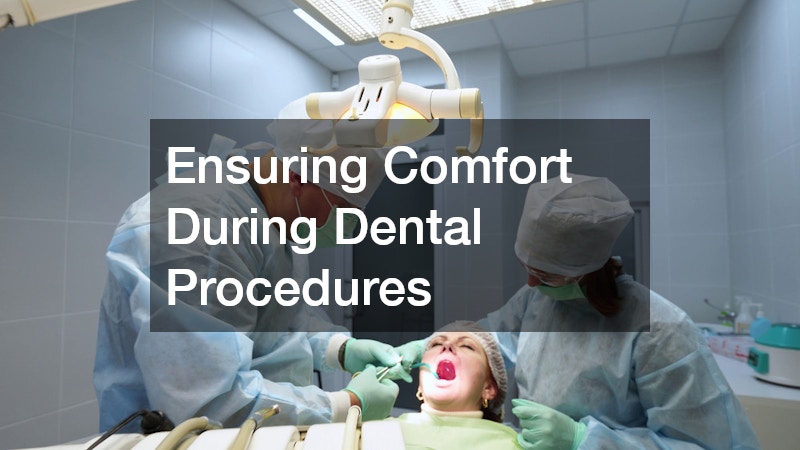
Many individuals experience anxiety about dental visits. Fear or discomfort can prevent people from seeking necessary care, which may lead to more serious dental problems over time.
A sedation dentist offers solutions that help patients remain relaxed and comfortable during treatment.
Understanding Dental Anxiety
Dental anxiety may stem from previous negative experiences, fear of pain, or general medical anxiety. Symptoms may include:
-
Increased heart rate during dental visits
-
Difficulty sleeping before appointments
-
Avoidance of routine dental care
-
Physical tension or discomfort in the chair
Addressing these concerns is essential for maintaining consistent oral health care.
Types of Sedation Options
Dentists may offer several types of sedation depending on the procedure and the patient’s needs.
Common options include:
-
Nitrous oxide, which promotes relaxation while allowing patients to remain awake
-
Oral medications that reduce anxiety before treatment
-
Intravenous sedation for more complex procedures
Each method is carefully administered to ensure patient safety and comfort.
Benefits of Relaxation-Focused Dental Care
Patients who choose sedation often experience several advantages.
These include:
-
Reduced fear and anxiety during treatment
-
Increased comfort during longer procedures
-
Ability to complete multiple treatments in one visit
-
Improved overall dental experience
By creating a calm environment, sedation allows more individuals to receive the care they need.
Replacing Multiple Missing Teeth with Reliable Solutions
When several teeth are missing, restoring them is important for both function and appearance. Difficulty chewing, speech changes, and facial sagging can occur when multiple teeth are lost.
Dentures provide an effective solution that restores the ability to eat, speak, and smile with confidence.
Understanding Denture Options
Modern denture designs are more comfortable and natural-looking than earlier versions. Patients may choose from several types depending on their needs.
Options may include:
-
Full dentures that replace all teeth in the upper or lower jaw
-
Partial dentures that fill gaps between remaining teeth
-
Implant-supported dentures that provide increased stability
Each option is customized to fit comfortably and match the patient’s smile.
Benefits of Modern Denture Technology
Today’s dentures offer several improvements in comfort and appearance.
Advantages include:
-
Lightweight materials that feel natural
-
Improved stability and fit
-
Natural-looking tooth shapes and colors
-
Enhanced chewing ability
These improvements help patients regain both function and confidence.
Caring for Dentures Properly
Proper care extends the life of dentures and supports oral health.
Patients should:
-
Clean dentures daily using specialized brushes and solutions
-
Remove them at night to allow gums to rest
-
Store them in water or recommended solutions
-
Schedule routine dental visits for adjustments
Consistent care ensures long-term comfort and functionality.
Conclusion
Maintaining excellent oral health requires a combination of preventive care, timely treatment, and consistent daily habits. Dental care has evolved significantly in recent years, providing patients with more comfortable procedures, advanced technology, and effective treatment options for a wide range of dental concerns.
From childhood dental visits to advanced restorative treatments, modern dental services help individuals maintain healthy teeth and gums while improving the appearance of their smiles. Preventive care, regular dental checkups, and good oral hygiene practices remain the foundation of long-term dental health.
When problems arise, professional treatment can restore function, relieve discomfort, and improve confidence. Advances in dentistry allow patients to address issues such as misalignment, tooth loss, and cosmetic concerns with reliable and lasting solutions.
By staying informed and working closely with qualified dental professionals, individuals and families can protect their smiles for years to come. A healthy smile not only supports physical health but also contributes to greater confidence and improved quality of life.