
The Ultimate Property Maintenance and Improvement Guide for Homes and Commercial Buildings
Introduction
Maintaining and improving a property—whether residential or commercial—requires more than occasional repairs. It demands foresight, organization, and a proactive mindset. Buildings are complex systems made up of structural components, mechanical equipment, plumbing networks, exterior features, and safety elements that must work together seamlessly. When one system fails, the ripple effects can be costly and disruptive.
For homeowners, preventative maintenance protects comfort, safety, and resale value. For commercial property owners and managers, it safeguards tenants, preserves revenue streams, and ensures regulatory compliance. In both cases, reactive maintenance—waiting until something breaks—almost always costs more than planned upkeep.
This comprehensive guide outlines actionable strategies to help you protect your investment, reduce unexpected repairs, and plan smart improvements. From structural integrity and climate systems to emergency restoration and outdoor enhancements, you’ll learn how to create a long-term property management approach that prioritizes durability, efficiency, and safety.
Build a Preventative Maintenance Plan That Reduces Long-Term Costs
A structured maintenance plan is the foundation of property longevity. Without a clear system, small issues can go unnoticed until they become major problems.
Start by creating a comprehensive asset inventory that includes:
-
Roofing systems
-
HVAC equipment
-
Plumbing fixtures
-
Electrical panels
-
Windows and doors
-
Exterior surfaces
-
Landscaping and drainage systems
Each asset should include installation dates, warranty information, expected lifespan, and recommended service intervals.
Develop a Seasonal Inspection Schedule
Organize maintenance tasks by season to ensure no system is overlooked.
Spring:
-
Inspect roofing and gutters
-
Test cooling systems
-
Check foundation drainage
Summer:
-
Monitor exterior paint and sealants
-
Inspect irrigation systems
-
Clean outdoor mechanical units
Fall:
-
Prepare heating systems
-
Clear leaves from drainage systems
-
Inspect weatherstripping
Winter:
-
Monitor indoor humidity levels
-
Check insulation performance
-
Inspect for ice dams
Routine HVAC services play a central role in preventative planning. Regular filter replacement, coil cleaning, and system calibration extend equipment lifespan and improve efficiency.
Budgeting for Maintenance
Allocate a yearly maintenance reserve equal to 5–10% of the property’s value, depending on age and complexity. Commercial buildings may require higher allocations due to occupancy demands and compliance requirements.
Digital tools simplify tracking:
-
Use calendar reminders for inspections
-
Store receipts and reports digitally
-
Maintain a maintenance log for each system
Consistent documentation strengthens warranty claims and simplifies resale or lease negotiations.
Strengthen Structural Integrity with Smart Roofing Strategies
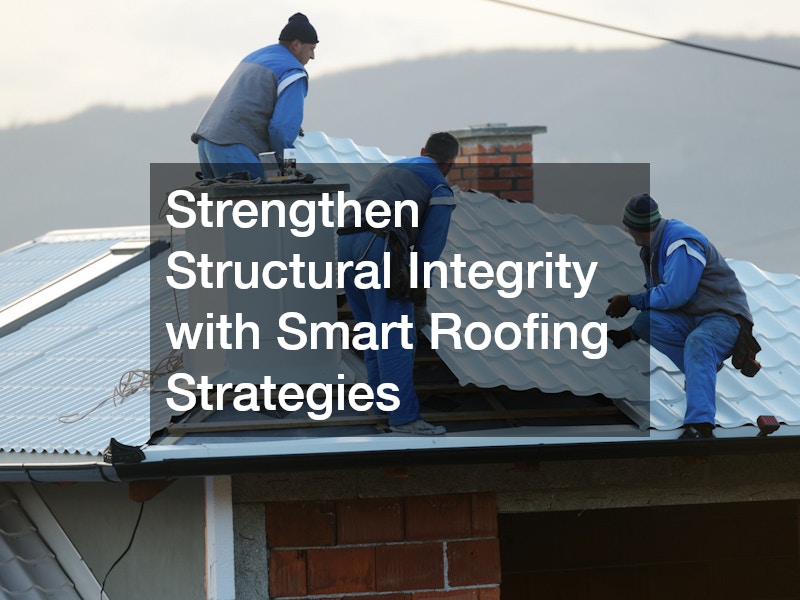
The roof is one of the most critical components of any structure. It protects against water intrusion, wind damage, and temperature extremes.
Commercial properties often rely on flat or low-slope systems, while residential structures may use pitched designs. Hiring experienced commercial roofing contractors ensures proper installation, drainage planning, and compliance with local building codes.
Signs Your Roof Needs Inspection
-
Standing water on flat surfaces
-
Interior ceiling stains
-
Loose flashing
-
Blistering membranes
-
Rust or corrosion
Preventative inspections should occur annually and after severe storms.
Metal roofing systems are popular for their longevity and energy efficiency. Skilled metal roofers understand expansion and contraction dynamics, seam sealing techniques, and fastening systems that prevent leaks.
Extend Roof Lifespan with Routine Care
-
Clean gutters and drains twice annually
-
Remove debris buildup
-
Inspect flashing around penetrations
-
Check rooftop equipment mounts
For commercial buildings, ensure rooftop HVAC units are properly supported and sealed. Minor penetrations can become major vulnerabilities if ignored.
A proactive roofing strategy protects structural framing, insulation, and interior finishes from water damage.
Prevent and Address Water Intrusion Before It Escalates
Water intrusion is one of the most common and destructive property issues. It can originate from roof leaks, plumbing failures, foundation cracks, or poor drainage.
Early warning signs include:
-
Musty odors
-
Warped flooring
-
Peeling paint
-
Mold growth
-
Damp insulation
When significant intrusion occurs, professional water damage restoration may be necessary to prevent structural decay and health hazards.
Immediate Response Steps
-
Shut off water sources if applicable
-
Remove standing water quickly
-
Increase ventilation
-
Document damage for insurance
Moisture left untreated can compromise drywall, framing, and electrical systems.
Prevention Strategies
-
Maintain proper grading around foundations
-
Inspect caulking and window seals
-
Clean gutters regularly
-
Install sump pumps in high-risk areas
Moisture sensors placed near water heaters and under sinks can provide early alerts. Commercial buildings should conduct periodic moisture mapping to identify hidden issues.
Preventative attention significantly reduces the likelihood of large-scale restoration needs.
Respond Quickly to Structural Emergencies to Minimize Loss
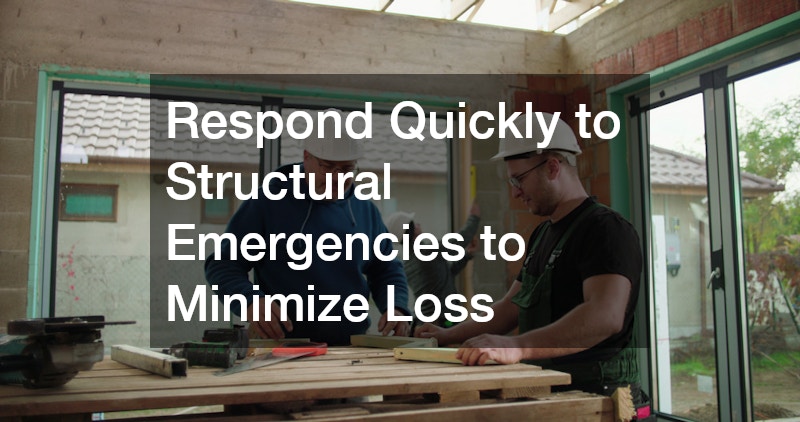
Fire incidents can cause immediate structural damage and long-term air quality concerns. Even small fires produce smoke and soot that penetrate porous materials such as drywall, insulation, carpeting, and wood framing. What may appear to be minor surface damage can hide deeper structural compromise or contamination that worsens over time.
Professional fire damage restoration involves:
-
Structural safety assessment
-
Debris removal
-
Soot and smoke residue cleaning
-
Odor neutralization
-
Reconstruction planning
Beyond visible flames, heat exposure can weaken framing members, warp steel supports, and crack masonry. Smoke residues are acidic and continue to corrode materials long after the fire is extinguished. HVAC systems may also circulate microscopic soot particles throughout the building, contaminating areas untouched by flames.
Immediate Priorities After a Fire
-
Securing the property
-
Contacting insurance providers
-
Avoiding electrical system use until inspected
-
Documenting damage thoroughly with photos and written records
-
Boarding up broken windows and compromised entry points
It is important to prevent secondary damage. Water used during firefighting efforts can saturate flooring and structural cavities, creating conditions for mold growth within 24–48 hours. Quick drying and dehumidification significantly reduce long-term repair costs.
Soot can corrode metal surfaces and damage electronics. Attempting to clean surfaces without proper equipment may spread contamination and permanently stain materials. Specialized cleaning agents and HEPA filtration systems are required to remove fine particulates safely.
In commercial settings, downtime can be financially devastating. Develop a business continuity plan that outlines temporary relocation strategies, vendor contacts, and communication protocols with tenants or employees. Rapid coordination reduces lost revenue and reputational harm.
Minimize Risk Through Preparation
Preparation is the most effective strategy for reducing fire-related losses.
-
Install and test smoke detectors regularly
-
Maintain fire extinguishers
-
Conduct electrical inspections
-
Avoid overloaded circuits
-
Store flammable materials properly
-
Train occupants on evacuation procedures
Commercial buildings should maintain updated emergency evacuation plans and fire suppression systems. Sprinkler systems, fire-rated doors, and monitored alarm systems dramatically reduce structural impact when properly maintained.
Consider conducting annual fire risk assessments. Inspect:
-
Mechanical rooms
-
Electrical panels
-
Storage areas
-
Kitchen facilities
-
Heating equipment
Quick, professional response reduces structural deterioration and speeds recovery timelines. The faster mitigation begins, the more materials can be salvaged and restored rather than replaced.
Upgrade Entry Points and Improve Energy Efficiency
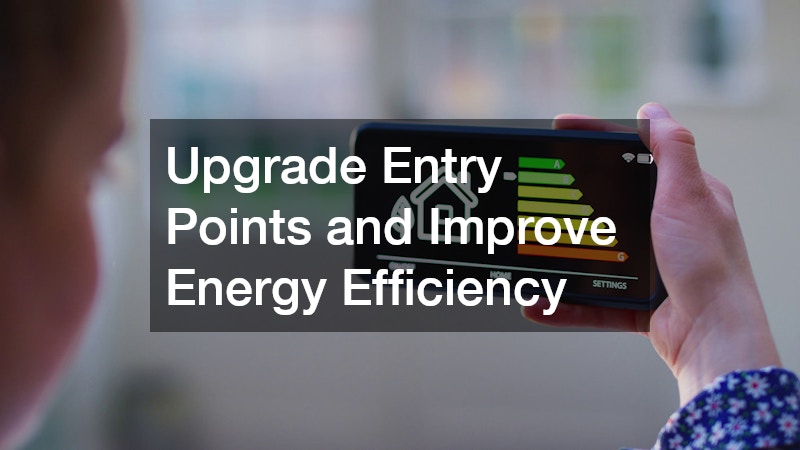
Windows and doors significantly impact energy efficiency and occupant comfort. Drafty or outdated units allow air infiltration and reduce climate control effectiveness, causing heating and cooling systems to work harder than necessary.
Modern sliding glass doors enhance natural light, improve accessibility, and create stronger indoor-outdoor connections. However, proper installation is critical to prevent leaks. Flashing, sealing membranes, and precise framing alignment determine long-term performance.
Benefits of Upgraded Entry Systems
-
Improved insulation
-
Enhanced security
-
Reduced noise infiltration
-
Increased property value
-
Better resistance to moisture intrusion
-
Improved indoor comfort consistency
High-performance glazing technology has evolved significantly. Look for double- or triple-pane glass with low-emissivity coatings to improve performance. Gas-filled chambers between panes enhance insulation, while thermal breaks in frames reduce heat transfer.
Air leakage is one of the most common performance failures. Even high-quality products underperform when improperly installed. Always verify:
-
Proper shimming and leveling
-
Continuous weatherproof barriers
-
Correct flashing integration with siding
-
Adequate drainage paths
Maintenance Tips
-
Inspect weatherstripping annually
-
Lubricate tracks and hinges
-
Check flashing integrity
-
Clean drainage channels
-
Replace damaged seals promptly
For commercial properties, entry upgrades can improve curb appeal and energy efficiency simultaneously. Automatic door systems must be inspected for sensor calibration and weather sealing. Retail storefronts benefit from upgraded glazing that improves insulation without sacrificing visibility.
Well-sealed openings reduce strain on heating and cooling systems, lowering operational costs and extending equipment lifespan.
Improve Interior Functionality with Smart Renovation Planning
Interior improvements enhance both usability and property value. Complex renovations often require coordination among multiple trades, including electricians, plumbers, structural engineers, and finish carpenters.
Hiring a qualified general contractor ensures that structural, electrical, and plumbing work is properly sequenced and inspected. Coordinated scheduling prevents conflicts between trades and reduces costly rework.
Renovation Planning Steps
-
Define scope clearly
-
Establish realistic timelines
-
Confirm permit requirements
-
Create detailed contracts
-
Verify insurance and licensing
-
Develop material selection schedules
A thorough pre-construction plan minimizes disruptions and unexpected expenses. Conduct site evaluations before demolition to identify load-bearing walls, outdated wiring, or hidden water damage.
Bathroom remodel plumbing projects require special attention to drainage slopes, venting, and waterproofing. Improper installation can lead to leaks behind walls or beneath flooring. Upgrading supply lines and installing shut-off valves during renovation improves long-term serviceability.
Consider incorporating efficiency upgrades during remodeling:
-
Low-flow fixtures
-
Improved ventilation fans
-
Moisture-resistant drywall
-
Sound insulation
Avoid Common Renovation Mistakes
-
Closing walls before inspections
-
Underestimating material lead times
-
Skipping ventilation upgrades
-
Ignoring structural reinforcement needs
-
Choosing finishes incompatible with moisture exposure
Building a contingency fund of at least 10–15% accounts for hidden conditions discovered during demolition. Older properties frequently reveal outdated wiring, deteriorated framing, or plumbing that no longer meets code.
Commercial renovations may require ADA compliance updates and fire code adjustments. Ensure pathways, restrooms, and entry points meet accessibility standards. Fire-rated assemblies must remain intact during remodeling.
Careful coordination prevents delays and ensures long-term durability.
Protect Your Property from Hidden Structural Threats
Structural damage isn’t always visible. Termites, rodents, and moisture can weaken framing silently. Infestations often remain undetected until structural components show noticeable deterioration.
Early Warning Signs to Watch For
-
Mud tubes
-
Hollow-sounding wood
-
Discarded wings
-
Blistered paint
-
Sagging floors
Professional termite treatment protects structural integrity through soil barriers, bait systems, or localized applications. The chosen method depends on construction type, infestation severity, and environmental factors.
Termites can cause significant structural weakening before visual damage appears. Annual inspections are essential, particularly in warm or humid climates.
Preventative Strategies
-
Keep wood materials away from foundations
-
Seal cracks and entry points
-
Maintain proper drainage
-
Schedule annual inspections
-
Trim vegetation away from exterior walls
-
Repair roof leaks promptly
Moisture control plays a major role in pest prevention. Damp crawl spaces and poorly ventilated basements attract insects and rodents. Install vapor barriers and ensure adequate airflow beneath flooring systems.
Commercial properties should conduct routine pest assessments in storage areas and basements. Warehouses and restaurants are especially vulnerable due to stored goods and food sources.
Addressing infestations promptly prevents costly structural repairs and preserves property value.
Enhance Outdoor Amenities for Safety and Long-Term Value

Outdoor amenities increase property appeal and functionality. Proper planning ensures these features remain safe and durable for years to come.
When considering pool installations, experienced pool contractors evaluate soil conditions, drainage systems, and code compliance requirements. Soil stability affects structural integrity, while drainage prevents shifting and cracking.
Planning Considerations
-
Confirm setback regulations
-
Assess utility line locations
-
Plan for proper fencing
-
Design slip-resistant decking
-
Evaluate grading and water runoff patterns
Permits and inspections are often required before excavation begins. Proper bonding and grounding of electrical components are critical safety requirements.
Ongoing maintenance responsibilities include water treatment, filtration servicing, and surface cleaning. Poor maintenance leads to surface staining, mechanical failure, and unsafe water conditions.
Additional Outdoor Improvements
-
Landscape lighting
-
Covered seating areas
-
Outdoor kitchens
-
Fire pits
-
Retaining walls
-
Drainage enhancements
Commercial properties must prioritize liability considerations and ADA accessibility when adding amenities. Non-slip surfaces, adequate lighting, and visible safety signage reduce risk exposure.
Thoughtful design ensures outdoor upgrades integrate seamlessly with existing architecture while maintaining structural reliability.
Coordinate Multi-System Upgrades for Maximum Efficiency
Treating property systems as interconnected improves efficiency and reduces redundancy. Mechanical, structural, and envelope components work together to maintain comfort and durability.
Examples of Smart Coordination
-
Upgrade insulation during roof replacement
-
Replace windows before recalculating HVAC loads
-
Align plumbing upgrades with renovation phases
-
Improve drainage during landscaping projects
Integrated planning reduces duplication of labor and prevents unnecessary demolition later.
Develop a Long-Term Capital Plan
-
Track system ages
-
Schedule major replacements proactively
-
Forecast expenses over 5–10 years
-
Review warranties annually
-
Prioritize high-risk systems
Bundling projects often reduces labor costs and shortens overall disruption timelines. For example, coordinating roofing and insulation upgrades prevents reopening finished spaces.
Improve Documentation and Oversight
-
Maintain centralized digital records
-
Store contractor contacts
-
Log inspection results
-
Photograph upgrades
-
Keep maintenance schedules updated
Smart technology integration, such as building management systems, allows commercial owners to monitor energy use and system performance remotely. Automated alerts help detect issues early before they escalate into emergencies.
A coordinated strategy transforms maintenance from reactive repair into proactive asset management.
Conclusion
Property maintenance and improvement require consistent attention, informed decision-making, and strategic planning. By investing in preventative care, coordinating upgrades thoughtfully, and partnering with qualified professionals, property owners can significantly reduce long-term costs and unexpected disruptions.
Whether managing a family home or overseeing a commercial building, the key to success lies in proactive oversight. Regular inspections, timely repairs, and structured improvement plans ensure that every system—from structural components to mechanical equipment—functions efficiently and safely.
A well-maintained property not only preserves financial value but also creates a secure, comfortable environment for occupants. With a long-term perspective and disciplined execution, you can protect your investment and position your property for lasting performance.