A safe workplace does more than reduce the likelihood of employee injuries. It creates an environment where people can fulfill their responsibilities with confidence, businesses can maintain consistent operations, and managers can respond effectively to unexpected situations. Workplace safety encompasses much more than wearing protective equipment or posting emergency procedures. It involves the physical condition of a building, employee training, emergency preparedness, information handling, financial planning, and the willingness to identify problems before they become serious.
Businesses of every size can benefit from taking a proactive approach to safety. A small office may need to address trip hazards, fire preparedness, and ergonomic concerns, while a manufacturing facility may face machinery, chemical, electrical, and material-handling risks. Regardless of the industry, establishing consistent processes can help identify hazards and reduce unnecessary exposure to them.
Creating a safer workplace requires ongoing attention rather than a single inspection. Business owners and managers should regularly evaluate their facilities, listen to employees, document concerns, maintain critical systems, and update procedures as the organization changes.
Identify Workplace Hazards Before They Cause Injuries
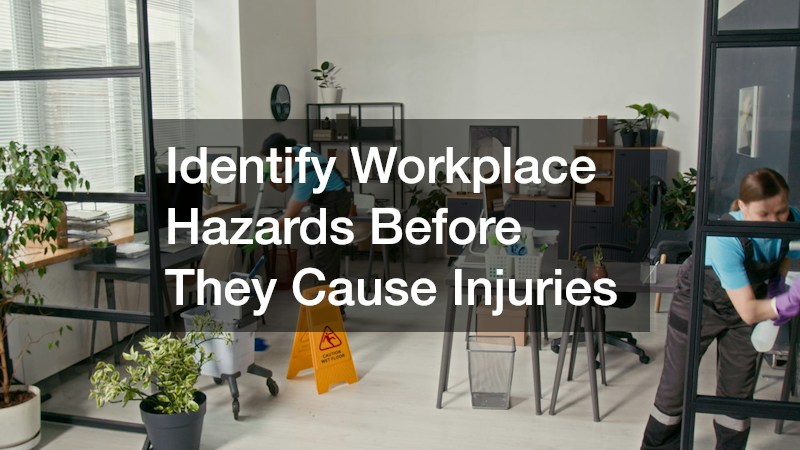
One of the most effective ways to improve workplace safety is to identify hazards before someone is hurt. Regular inspections give managers an opportunity to identify problems employees may encounter in their normal routines. These inspections should cover workstations, hallways, entrances, storage areas, restrooms, parking areas, equipment rooms, and emergency exits.
Businesses should also make it easy for employees to report hazards. Workers often notice problems that managers do not see because they interact with equipment, workspaces, and procedures throughout the day. A simple reporting system can encourage employees to report loose flooring, damaged equipment, blocked walkways, inadequate lighting, and other concerns.
A thorough inspection can address issues such as:
- Slippery or uneven floors
- Poor lighting in work areas or stairways
- Exposed electrical components
- Unsecured equipment or shelving
- Blocked emergency exits
- Improperly stored materials
- Damaged tools or machinery
- Excessive noise
- Poor ventilation
- Repetitive-motion or ergonomic concerns
Businesses should document identified hazards and assign responsibility for correcting them. It is not enough to recognize a problem if no one follows through. Managers can prioritize issues based on their potential severity, likelihood of occurrence, and the number of employees who could be affected.
Understanding work injury law can also help employers recognize the importance of maintaining safe working conditions and responding appropriately when an employee is injured. When a workplace incident occurs, documentation should include what happened, where it happened, who was involved, and what corrective measures were taken.
Establish Clear Safety Procedures and Employee Training
Employees cannot consistently follow safety expectations if those expectations have not been clearly communicated. Written procedures should explain how employees are expected to perform potentially hazardous tasks, operate equipment, respond to emergencies, and report unsafe conditions.
Training should begin during onboarding and continue throughout an employee’s time with the organization. Refresher training is especially important when procedures change, new equipment is introduced, employees move into different roles, or an incident reveals a previously overlooked risk.
Effective training should be practical and relevant to an employee’s actual responsibilities. Instead of relying exclusively on lengthy documents, businesses can combine written materials with demonstrations, discussions, simulations, and hands-on instruction.
Important training areas may include:
- Emergency evacuation procedures
- Proper equipment operation
- Safe lifting and material handling
- Hazard communication
- Workplace violence prevention
- First-aid and emergency response
- Personal protective equipment
- Accident and hazard reporting
- Ergonomic practices
- Safe use of ladders and elevated work areas
Managers should also verify that employees understand the training rather than simply recording that training occurred. Short quizzes, demonstrations, employee questions, and periodic observations can help determine whether safety procedures are being followed correctly.
An HR consulting service can assist organizations in developing employee policies, training processes, reporting procedures, or broader workplace practices. The goal should be to make safety expectations understandable and practical for everyone, from new employees to experienced supervisors.
Strengthen Building Design and Physical Infrastructure
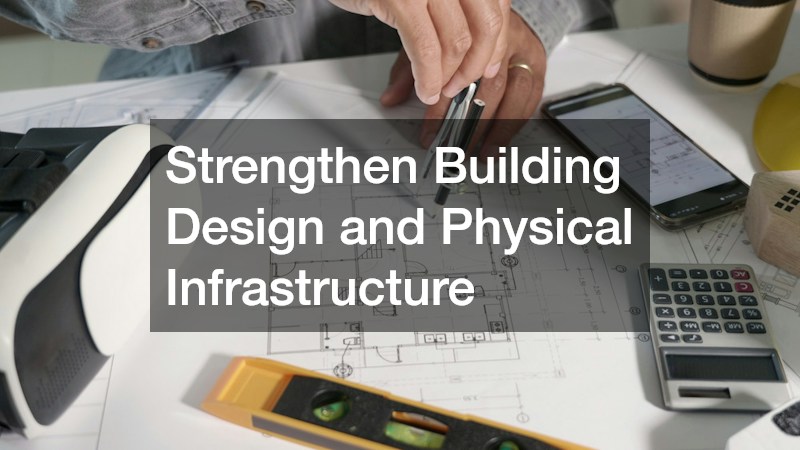
The physical design of a workplace can influence how easily employees move through the building and how safely they perform their responsibilities. A crowded layout, poorly positioned equipment, inadequate lighting, or inaccessible emergency routes can pose risks even when employees follow established procedures.
Businesses should evaluate whether workspaces provide sufficient room for employees to move safely. Walkways should remain clear, frequently used equipment should be positioned logically, and storage should not interfere with exits, fire equipment, or electrical systems.
Lighting deserves particular attention. Poor visibility can increase the risk of slips, trips, collisions, and mistakes when employees are working with equipment. Businesses should inspect areas that receive limited natural light, including stairways, storage rooms, parking areas, and corridors.
Renovations and expansions also provide opportunities to improve safety. An architect can help businesses consider traffic flow, accessibility, emergency routes, workspace configuration, and other design factors during construction or remodeling projects.
Elevators and other building-access systems require regular attention as well. Businesses should establish maintenance schedules and respond promptly to signs of malfunction. A reliable elevator commercial service can help with inspections, maintenance, repairs, and other measures designed to keep vertical transportation systems functioning properly.
Prepare the Workplace for Fires and Other Emergencies
Emergency preparedness is a fundamental part of workplace safety. Employees need to know what to do during a fire, severe weather event, power failure, hazardous material incident, or other emergency. Without clear procedures, confusion can delay evacuation or prevent employees from responding appropriately.
Emergency plans should identify evacuation routes, emergency exits, assembly locations, communication procedures, and responsibilities for managers or designated safety personnel. Plans should account for employees who may need additional assistance evacuating.
Fire prevention and detection require both equipment and employee awareness. Businesses should keep emergency exits accessible, avoid storing combustible materials near ignition sources, and ensure that fire safety equipment remains available and properly maintained.
A fire alarm company can provide inspections, testing, maintenance, and related services for fire detection and notification systems. Businesses should also understand how their alarm systems work so employees know what to do when an alert is activated.
Emergency drills can help employees become familiar with procedures before an actual emergency occurs. Drills should be treated as learning opportunities rather than simply compliance exercises. After each drill, managers can identify problems such as congested exits, unclear instructions, or employees who were unsure where to assemble.
Protect the Workplace From Property and Environmental Hazards
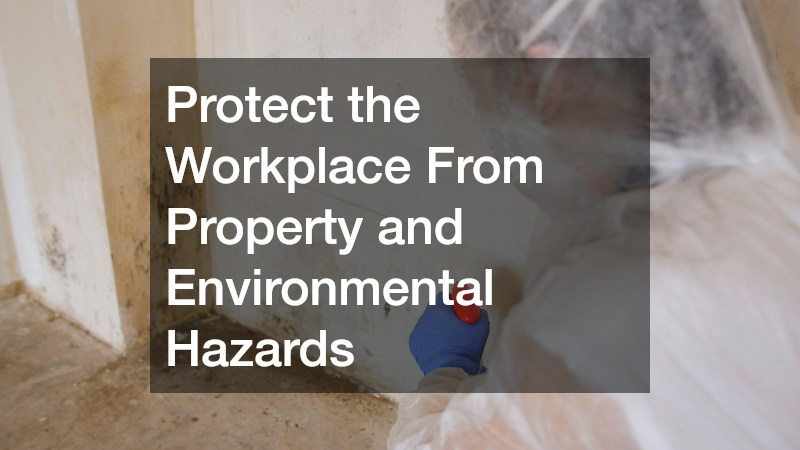
A workplace can become unsafe when building damage is ignored. Leaky roofs, water intrusion, damaged ceilings, electrical problems, mold growth, broken flooring, and structural deterioration can pose hazards to employees and visitors.
Routine building inspections can help businesses detect problems early. Managers should pay attention to stains, unusual odors, cracks, moisture, damaged flooring, malfunctioning plumbing, and other signs that a building system may require attention.
Water damage deserves particularly prompt action. Even a relatively small leak can affect flooring, walls, electrical components, equipment, and stored materials. If moisture remains unaddressed, it can contribute to additional property damage and environmental concerns.
Commercial building restoration may become necessary after events such as flooding, fire, storms, or significant water damage. Businesses should maintain contact information for qualified restoration professionals before an emergency occurs. Having a response plan can reduce delays when property damage affects the workplace.
The location and condition of a facility should also be considered before signing a new lease or purchasing commercial property. Businesses evaluating business real estate should look beyond the appearance of a building and examine its age, maintenance history, accessibility, emergency systems, utilities, parking, and potential hazards.
Protect Sensitive Information and Business Records
Workplace safety includes more than protecting people from physical hazards. Businesses also need procedures for protecting confidential information and sensitive records. Poor document handling can expose employee information, customer data, financial records, and proprietary business information.
Employees should understand which documents are confidential and how those materials should be stored, accessed, transported, and discarded. Sensitive paperwork should not be left unattended in common areas, meeting rooms, printers, or open recycling bins.
Businesses can establish document management procedures that specify:
- Which records should be retained
- How long should different records be kept
- Who can access sensitive information
- Where physical records should be stored
- How records should be transferred
- When should records be securely destroyed
A document shredding service can help businesses dispose of confidential paper records in a controlled manner. This is particularly useful when an organization is conducting an office cleanup, relocating, or following a formal document retention schedule.
Employees should also understand that information security is an everyday responsibility. Simple practices, such as securing files, promptly collecting printed documents, and following established disposal procedures, can reduce unnecessary exposure.
Build Financial Safeguards Into Safety Planning
Safety improvements require resources. Businesses need to budget for equipment maintenance, employee training, inspections, repairs, emergency supplies, and other preventive measures. Treating safety expenses as optional can lead to higher costs when a preventable incident occurs.
Annual budgets should account for recurring safety-related expenses as well as anticipated maintenance and replacement needs. Managers can also create a reserve for unexpected repairs involving essential building systems or equipment.
Prioritization is particularly important when resources are limited. A company may not be able to address every improvement simultaneously, but it should focus first on hazards that could cause serious injury, significant property damage, or major operational disruption.
Financial planning should also account for the potential consequences of extended business interruptions. A serious accident, building emergency, or major equipment failure can affect revenue while creating additional repair and administrative expenses.
If a company is experiencing severe financial difficulties, a bankruptcy firm may provide guidance regarding available legal and financial options. While financial restructuring is separate from workplace safety, maintaining a realistic understanding of the organization’s financial position can help leadership make responsible decisions about maintenance, staffing, equipment, and risk management.
Understand Injury Response and Employer Responsibilities
Even a well-managed workplace cannot eliminate every possibility of an accident. When an employee is injured, the organization should have a clear process for responding to the incident, providing appropriate assistance, documenting what occurred, and investigating contributing factors.
Employees should know how and where to report injuries. Supervisors should understand their responsibilities and know whom to contact when an incident occurs. Prompt reporting can help ensure that appropriate steps are taken while the details of the incident are still clear.
Businesses should document relevant information, including:
- Date, time, and location of the incident
- Description of what occurred
- Names of individuals involved or witnessing the event
- Equipment or materials involved
- Immediate response measures
- Reported injuries
- Corrective actions taken
- Follow-up steps
A workers comp attorney can help clarify questions involving workplace injury claims, employer responsibilities, and workers’ compensation matters. Businesses should obtain appropriate professional guidance when an incident raises complex legal questions rather than relying on assumptions.
After an incident, the goal should not simply be to complete paperwork. Managers should determine why the incident occurred and whether changes can prevent similar events. For example, if an employee slips because of a recurring flooring problem, addressing the underlying condition is more valuable than merely documenting the accident.
Create a Culture of Continuous Safety Improvement
A strong safety program depends on employee participation. When workers feel comfortable reporting hazards and suggesting improvements, management gains access to information that might otherwise remain unnoticed.
Safety should therefore become part of everyday workplace communication. Managers can conduct brief safety discussions, review recent incidents, discuss seasonal hazards, and provide reminders about procedures that employees may overlook.
Organizations can also track measurable indicators to evaluate whether their efforts are working. Useful information may include:
- Number of reported hazards
- Time required to correct identified hazards
- Employee training completion rates
- Number and type of workplace incidents
- Near-miss reports
- Preventive maintenance completion
- Emergency drill results
- Recurring safety concerns
These measurements can reveal patterns and help management determine where additional resources are needed.
Leadership also plays an important role in establishing expectations. Employees are more likely to take safety seriously when managers consistently follow procedures themselves. Conversely, ignoring safety rules for the sake of convenience can undermine even the most detailed written policies.
Workplace safety should evolve as the business changes. New employees, equipment, technology, facilities, vendors, processes, and work schedules can introduce new risks. A safety program that worked several years ago may not adequately address the organization’s current environment.
Regular reviews help businesses identify these changes and adjust accordingly. Safety should be considered whenever the company moves locations, renovates its facility, purchases equipment, changes work processes, or introduces new services.
The most effective safety programs are proactive. Rather than waiting for an injury, equipment failure, property emergency, or other disruption to reveal a weakness, businesses can regularly evaluate their operations and address concerns early.
A commitment to workplace safety ultimately benefits the entire organization. Employees gain a safer environment, managers gain clearer processes, and businesses are better positioned to maintain reliable operations when unexpected challenges arise.