The air on a busy jobsite is often filled with invisible hazards that can compromise a worker’s health in an instant. From the dense concrete dust kicked up during demolition to the toxic vapors floating around a fresh industrial coating application, construction and industrial settings present constant atmospheric challenges. While heavy ventilation and dust collection systems are the first lines of defense, they cannot always clear the air completely. When the atmosphere remains hazardous, a professional respirator becomes the final, crucial boundary between a worker’s lungs and permanent injury. It is a piece of safety gear that turns a high-risk work zone into a secure environment where people can do their jobs without sacrificing their long-term health.
Managing Silica and Particulate Dangers Across Active Jobsites
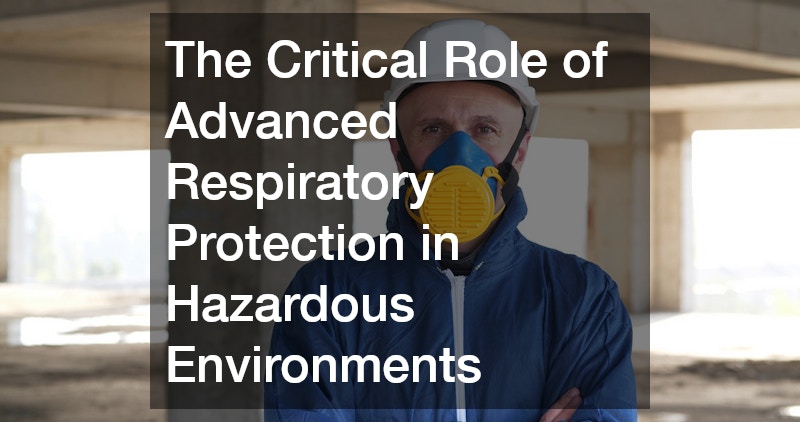
Cutting masonry, grinding concrete, and blasting surfaces release microscopic particles into the air that can linger long after the work is done. Crystalline silica dust is particularly insidious because the particles are so small they bypass the body’s natural defenses, burying themselves deep in lung tissue. To combat this on active worksites, crews must deploy tight-fitting negative pressure masks equipped with specialized particulate filters. When a craftsman wears a properly rated respiratory-protection-products’>respirator, the incoming air is pulled through a dense fiber matrix that catches these tiny fragments, protecting the user from debilitating respiratory illnesses.
The challenge on a dynamic jobsite is that different tasks create different types of airborne threats. A worker mixing mortar needs protection from heavy dust, while someone welding steel nearby is exposed to microscopic metal fumes that require a completely different filtration level. Safety managers must ensure that the filtration cartridges attached to the mask match the exact hazards present in that specific zone. This careful matching of equipment to the environment is what keeps a workforce safe during complex, multi-phase commercial construction projects.
Overcoming Chemical Vapors and Adhesive Outgassing in Enclosed Spaces
When jobsites move indoors for the finishing phases, the atmospheric risks often shift from solid dust to chemical vapors. Applying industrial adhesives, spraying epoxy floors, or using heavy solvents in rooms with limited airflow can quickly create a toxic environment. Because these chemical gases pass straight through standard dust filters, workers must utilize specialized chemical cartridges filled with activated carbon. The carbon chemically traps the harmful vapors, stripping them out of the air stream before they can be inhaled.
Because these carbon filters have a limited lifespan and can become saturated over time, supervisors must enforce strict replacement schedules based on the specific chemicals in use. If a worker begins to smell or taste the chemical inside their mask, it means the barrier has failed and they must exit the area immediately. Maintaining this level of strict safety protocol in enclosed spaces prevents acute chemical exposure, ensuring that everyone on the crew stays sharp, focused, and out of harm’s way.
Enforcing Fit Testing and Compliance Standards for Daily Site Operations
Even the most advanced safety equipment will fail if it is not used correctly on the ground. A common issue on jobsites is assuming that one size fits all, but human faces vary dramatically in shape and size. If a respirator does not create a perfect, airtight seal against the skin, contaminated air will simply rush in through the gaps around the edges, bypassing the filters entirely. This is why formal fit testing is a mandatory step before any worker steps into a hazardous zone.
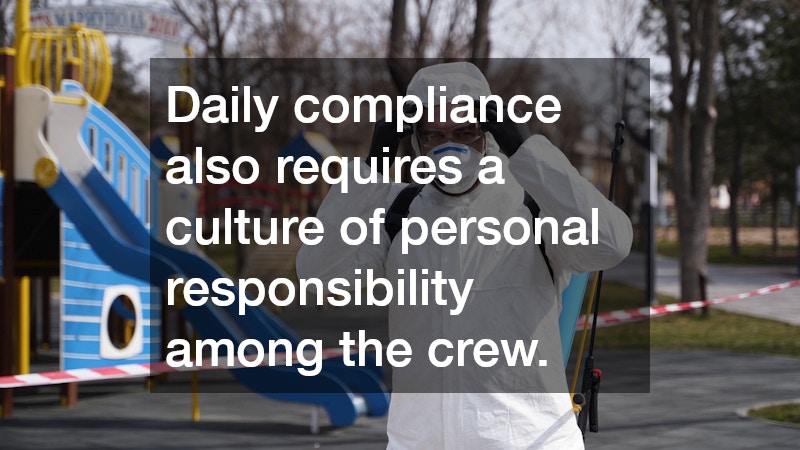
Daily compliance also requires a culture of personal responsibility among the crew. Workers must be trained to perform quick pressure checks every single time they put their masks on, ensuring no dust or facial hair is interfering with the seal. Investing in high-quality, comfortable equipment that reduces heat and moisture buildup makes it much easier for workers to keep their gear on throughout a long shift. When proper protection becomes a seamless part of the daily site routine, projects stay on schedule, safety metrics remain excellent, and the entire team goes home healthy at the end of the day.