When most people think about building wealth, they picture stock tickers, startup valuations, or the latest cryptocurrency rally. But some of the steadiest, most durable returns come from something far less exciting: dirt, pipes, roofs, and roads. Land and the infrastructure built on it rarely make headlines, yet they quietly generate income, preserve value, and hold up through market cycles that wreck flashier bets. If you are trying to decide where to put your money or how to protect what you already own, understanding why these unglamorous assets perform so consistently is worth your time.
Owning Land as a Long Term Wealth Strategy

Land has a track record that few other assets can match, mostly because it is finite and always in demand for housing, farming, or commercial use. Unlike a stock certificate, a plot of land is tangible, it cannot be hacked, deleted, or declared bankrupt out from under you. Its value tends to rise steadily over decades, even if it does not spike dramatically in any given year.
The appeal also lies in flexibility. Raw land can be leased, farmed, developed, or simply held while surrounding areas grow up around it, and each of those paths offers a different way to generate value. Investors who take a patient approach often find that land rewards those willing to wait rather than chase quick wins.
Building on Solid Ground with Professional Construction
Once land is in hand, what gets built on it determines much of its long term value. Working with a custom home builder allows an owner to shape a property to fit specific goals, whether that means maximizing rental income, creating a family residence, or building equity through smart design choices. Decisions made at this stage, such as square footage, room count, and finish quality, directly affect both construction cost and future appraisal value.
A well planned build avoids costly layout mistakes and positions the property for stronger resale value later. For example, an experienced custom home builder can advise on which upgrades actually pay off, like energy efficient windows or an extra bathroom, versus features that rarely recoup their cost at resale. Getting these calls right before ground is broken saves owners from expensive renovations down the road.
Timing and budgeting also matter. Construction delays and cost overruns are common when plans change mid project, so locking in a detailed contract with clear milestones protects the investment. A builder who understands local zoning rules and material costs can keep a project on schedule while still leaving room for the kind of thoughtful design that supports long term appreciation.
The construction phase is also where many owners either protect or squander their investment. Cutting corners here rarely saves money in any real sense; it just shifts the cost forward, often with interest, in the form of repairs, code violations, or diminished resale value.
Choosing experienced professionals matters more than most first-time developers expect. A contractor with a proven track record will catch design flaws before they become expensive problems, manage subcontractors effectively, and finish projects closer to schedule and budget. Checking references, verifying licensing, and reviewing past projects in person are simple steps that pay for themselves many times over.
Securing proper permits is equally non-negotiable, even when it slows things down. Skipping this step might save a few weeks upfront, but it can result in fines, forced teardowns, or serious complications when the property is eventually sold or refinanced.
Finally, using quality materials, from the foundation to the roofing, determines how the building performs over decades, not just years. A structure built with durable materials and sound methods typically needs fewer repairs, retains its value better, and remains attractive to future buyers or tenants long after a rushed or poorly built alternative would have started showing cracks, literally and financially.
- A custom home builder can tailor square footage, layout, and finishes to match local buyer preferences and lot constraints
- Quality construction using durable materials reduces long-term maintenance costs and lowers the odds of costly repairs down the road
- Thoughtful design choices, like open layouts and energy-efficient systems, increase both resale value and rental appeal
- Proper site preparation, including grading and soil testing, prevents drainage and foundation issues that can be expensive to fix later
- Working with an experienced custom home builder also helps navigate permitting and local building codes, avoiding costly delays
Protecting Roofs on Commercial Properties
Commercial buildings face a different set of demands than residential homes, and the roof is often the first line of defense against costly damage. A leak that goes unnoticed for even a few weeks can damage inventory, disrupt operations, or compromise electrical systems below, making the roof far more than a cosmetic concern. This is why property owners increasingly treat roofing as a core piece of their infrastructure strategy rather than an afterthought.
A commercial metal roofer brings specialized knowledge of large scale systems, including drainage design, insulation compatibility, and the structural load requirements that come with bigger buildings. Flat and low-slope roofs, common on warehouses and office parks, require precise slope calculations and drainage layouts to prevent pooling water, something a generalist contractor may overlook. Getting these details wrong can lead to premature material failure or expensive structural repairs down the line.
Metal roofing in particular has become popular for its durability and lower long term maintenance needs compared to traditional materials. A well-installed metal roof can last 40 to 60 years with minimal upkeep, compared to 15 to 20 years for many built-up or asphalt systems, and it holds up better against wind, fire, and heavy snow loads. For businesses thinking in terms of decades rather than quarters, that kind of reliability turns the roof from a recurring expense into a quiet, long-term asset.
Regular inspections matter just as much as the initial installation. Most commercial roofing experts recommend at least two formal inspections per year, typically in spring and fall, plus additional checks after major storms or hail events. Small issues like loose seams, minor rust spots, or ponding water can turn into major leaks if ignored, so property owners who schedule routine checkups tend to avoid expensive emergency repairs and extend the life of the roof by years.
The cost math favors prevention. A typical inspection might run a few hundred dollars, while an emergency leak repair on a large flat roof can easily climb into the thousands once you factor in interior water damage, disrupted tenants, and rushed labor rates. Insurance carriers also take note: buildings with documented maintenance histories often qualify for better premiums, since insurers view proactive upkeep as a lower risk profile.
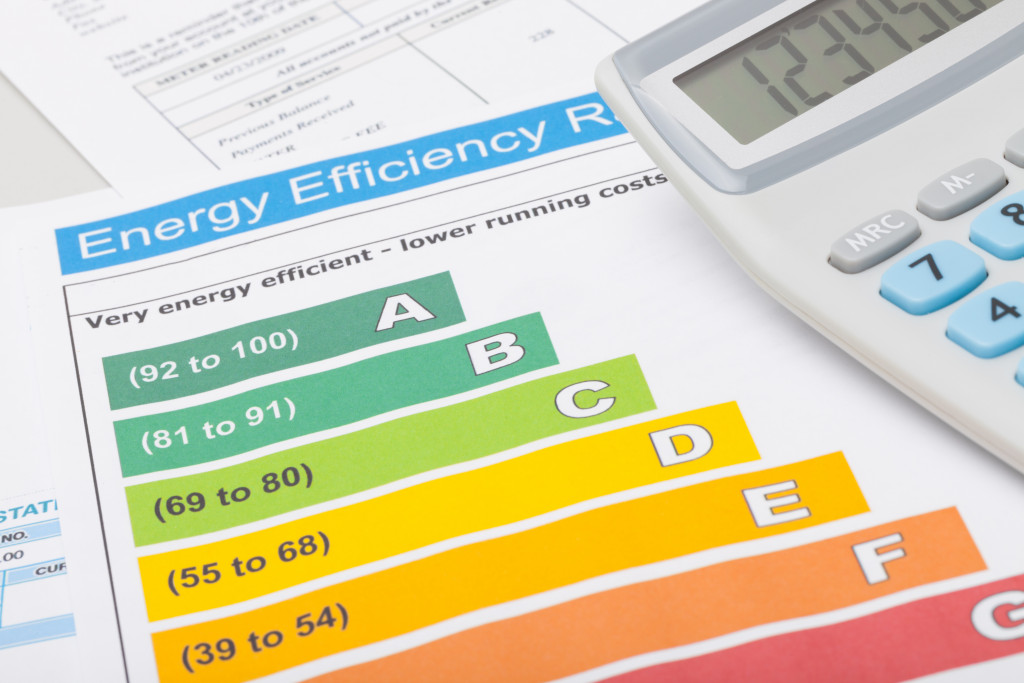
Beyond structural savings, well-maintained roofs preserve a building’s energy efficiency. Cracked membranes or degraded insulation let conditioned air escape, quietly inflating utility bills month after month. Keeping the roof sealed and intact protects both the asset’s value and its ongoing operating costs, reinforcing why unglamorous maintenance often outperforms flashier upgrades in the long run.
Maintaining Pavement for Long Term Property Value
Parking lots and driveways are easy to overlook until cracks and potholes start scaring away customers or damaging vehicles. Asphalt parking lot maintenance is one of the most cost effective ways to protect a commercial property’s curb appeal and safety record. Sealcoating, crack filling, and proper drainage all extend the life of pavement that would otherwise need full replacement far sooner.
Deferred maintenance on pavement almost always costs more in the long run. A small crack that goes untreated allows water to seep beneath the surface, freeze and expand, and eventually create much larger structural damage that requires a full repaving project instead of a simple patch.
- Sealcoating every two to three years slows surface deterioration
- Prompt crack filling prevents water infiltration
- Proper drainage design reduces standing water and ice hazards
- Routine sweeping removes debris that accelerates wear
Managing Underground Systems on Rural and Commercial Land
Land that supports agricultural or industrial use often comes with underground infrastructure that needs careful oversight. An underground oil tank, for example, requires regular inspection for corrosion and leaks, since a failure can lead to environmental contamination and expensive cleanup costs. Property owners who inherit these systems from previous owners should have them assessed early rather than waiting for a problem to surface.
When installation or replacement becomes necessary, working with established oil tank installation companies ensures the job meets current safety codes and environmental regulations. These specialists understand soil conditions, local permitting requirements, and the proper materials needed to prevent future leaks, which protects both the land value and the owner from liability.
Securing Reliable Water Access for Land Use
Water access can make or break the usability of a piece of land, especially for agricultural or rural residential properties. A water well provides independence from municipal systems and can significantly increase a property’s value, particularly in areas where water rights are limited or contested. Testing water quality and flow rate before finalizing any purchase helps avoid surprises after the deal closes.
Maintenance of a well system is just as important as the initial drilling. Pumps, pressure tanks, and filtration systems all need periodic checkups to keep water flowing reliably, and neglecting this upkeep can lead to sudden failures that are far more disruptive and costly to fix than routine servicing.
Supporting Agricultural Land with Reliable Equipment
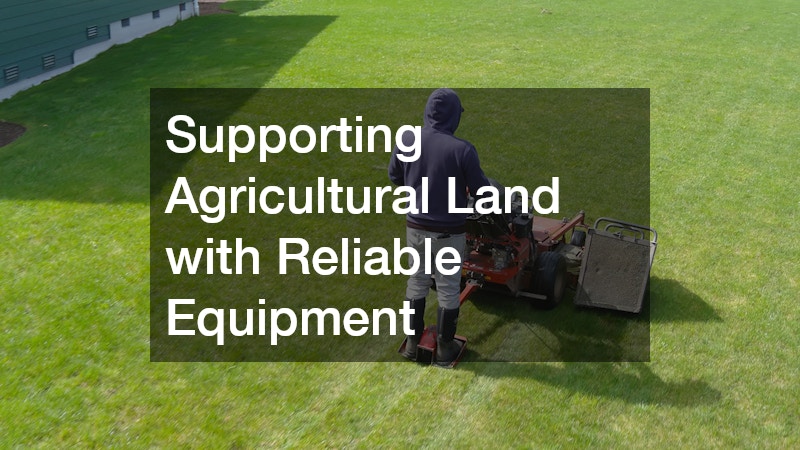
Farmland only produces returns when it is actively and efficiently worked, which is where reliable machinery becomes essential. Access to agricultural equipment services allows landowners to maintain tractors, irrigation systems, and harvesting machinery without the massive upfront cost of owning every piece of equipment outright. Renting or contracting for specialized services also lets smaller operations scale up during planting or harvest season without long term financial commitments.
Keeping equipment properly serviced also protects crop yields and timelines. A breakdown during planting or harvest can cost far more than the price of preventative maintenance, so many successful landowners build strong relationships with local service providers who understand their specific soil and crop conditions.
Regulating Airflow and Climate in Commercial Buildings
Heating and cooling systems are a hidden but significant factor in a commercial property’s operating costs and tenant satisfaction. Properly designed commercial duct work ensures even airflow throughout a building, which reduces energy waste and prevents uncomfortable hot or cold spots that can drive tenants away. Poorly maintained or outdated ductwork often forces HVAC systems to work harder, driving up utility bills unnecessarily.
Routine inspection and cleaning of ductwork also improves indoor air quality, which matters more than ever to tenants and employees concerned about health. Property owners who invest in this often invisible system tend to see fewer HVAC breakdowns and lower long term energy costs.
Navigating Transactions with Legal and Closing Professionals
Buying or selling land and infrastructure involves far more complexity than a typical retail purchase, which is why professional guidance matters so much. An escrow company acts as a neutral third party, holding funds and documents securely until every condition of a sale is met, which protects both buyer and seller from fraud or miscommunication. This step is especially important in real estate deals involving multiple contingencies like inspections, financing, or zoning approvals.
Legal complexity often extends beyond the closing table, particularly when zoning disputes, easements, or environmental regulations come into play. Business lawyers who specialize in real estate and land use can review contracts, negotiate terms, and flag potential liabilities before they become expensive problems, giving buyers and sellers confidence that their interests are protected throughout the process.
Land and the infrastructure that supports it will never generate the excitement of a viral stock or a headline-grabbing crypto rally, but that quiet steadiness is exactly what makes these assets so valuable. Every system discussed here, from roofing to water access to legal protections, plays a role in preserving and growing the value of a property over time. If you are considering an investment in land or infrastructure, take the time to research each component carefully and consult qualified professionals before moving forward. The reward for that patience is an asset that tends to hold its value long after trendier investments have faded.